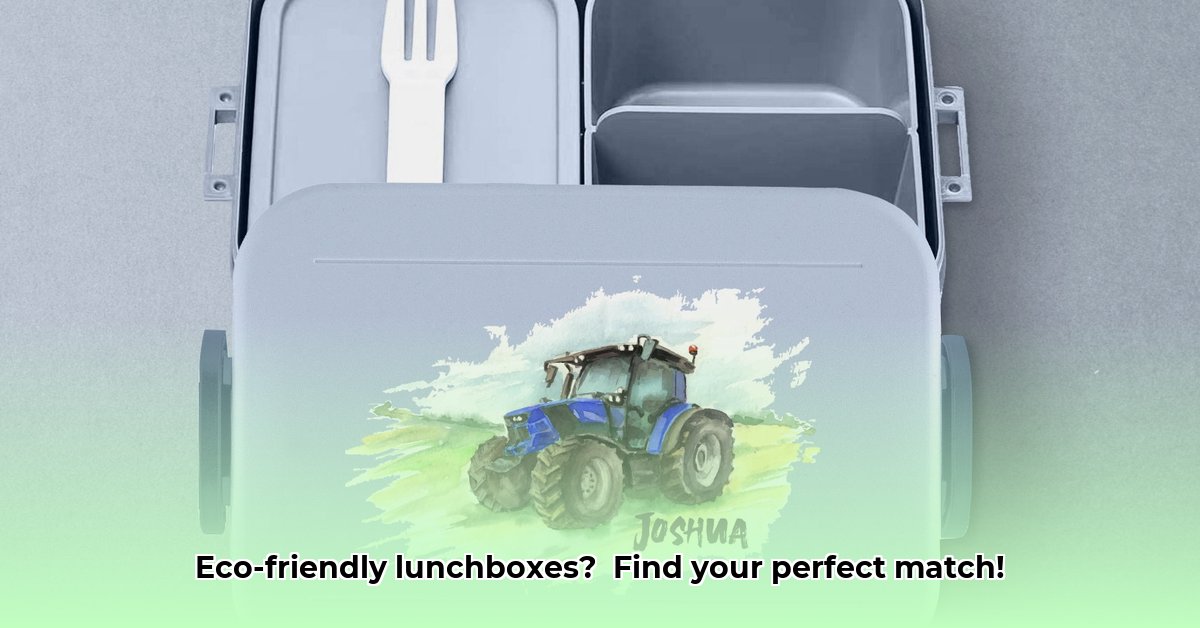
Tractor Lunch Boxes: A Sustainable Choice for Lunchtime?
The ubiquitous tractor lunchbox—charming, nostalgic, and a hit with kids—often overlooks a crucial aspect: its environmental impact. Many are made from petroleum-based plastics, containing harmful chemicals and taking centuries to decompose. However, the increasing demand for eco-friendly products presents an opportunity to transform this beloved item into a symbol of sustainable practices. This article explores the current state of tractor lunchboxes, identifying challenges and offering actionable steps for manufacturers, retailers, and consumers to promote a greener future.
Did you know that the average plastic lunchbox takes over 400 years to decompose in a landfill? This stark fact highlights the urgent need for sustainable alternatives.
The Hidden Environmental Impact of Traditional Tractor Lunch Boxes
Traditional tractor lunchboxes are typically manufactured using petroleum-based plastics, often containing Bisphenol A (BPA) (a synthetic chemical with endocrine-disrupting properties) and other potentially harmful substances. These plastics contribute significantly to plastic pollution, harming ecosystems and wildlife. Furthermore, the energy-intensive manufacturing processes and transportation involved add to the overall carbon footprint.
"The lack of transparency in the manufacturing process of many lunchboxes is a major concern," says Dr. Elena Ramirez, Environmental Scientist at the University of California, Berkeley. "Consumers deserve to know exactly what materials are used and the environmental impact of the entire lifecycle of the product."
Revving Up Sustainability: Actionable Steps for a Greener Future
Achieving genuine sustainability in tractor lunchboxes requires a collaborative effort from all stakeholders. Here’s a framework for positive change:
1. For Manufacturers:
- Conduct a Life Cycle Assessment (LCA): A comprehensive LCA (a detailed analysis of a product's environmental impacts from cradle to grave) is crucial for identifying areas for improvement in material sourcing, manufacturing, and end-of-life management.
- Source Sustainable Materials: Explore and utilize biodegradable or compostable alternatives such as plant-based plastics, recycled materials, or innovative materials derived from agricultural byproducts.
- Design for Recyclability or Compostability: Design lunchboxes that are easily disassembled and recycled or designed for safe decomposition.
2. For Retailers:
- Promote Sustainable Options: Actively highlight and promote eco-friendly tractor lunchboxes, making them easily identifiable to environmentally conscious consumers.
- Create Dedicated Sections: Establish dedicated sections in stores and online marketplaces specifically for sustainable and environmentally friendly products.
3. For Consumers:
- Make Informed Choices: Prioritize lunchboxes made from sustainable materials with clear certifications and transparent manufacturing processes. Opting for reusable containers significantly reduces waste.
- Ask Questions: Don't hesitate to ask manufacturers and retailers about their sustainability policies and practices. Demand transparency.
4. For Environmental Groups:
- Advocate for Clearer Labeling and Certification: Promote standardized labeling and certification programs to increase transparency and empower consumers to make informed decisions.
- Raise Public Awareness: Educate the public about the environmental implications of conventional lunchboxes and the benefits of sustainable alternatives.
Understanding the Data: Key Metrics for Sustainability
Comprehensive data on material composition, manufacturing processes, transportation, and end-of-life management are essential for assessing the overall environmental impact of tractor lunchboxes. This data should include:
- Material Composition: Percentage of recycled materials, presence of harmful chemicals (BPA, phthalates etc.)
- Manufacturing Processes: Energy and water consumption, waste generation.
- Transportation and Distribution: Carbon footprint of logistics.
- End-of-Life Management: Recyclability, biodegradability, decomposition time.
This data enables the calculation of a comprehensive sustainability score, facilitating comparisons between products.
Choosing the Right Eco-Friendly Tractor Lunch Box: A Buyer's Guide
Choosing a sustainable lunchbox is a journey towards minimizing your personal environmental impact. Consider these key criteria:
- Material Selection: Evaluate the pros and cons of stainless steel (durable, recyclable), bamboo (lightweight, renewable, but check for formaldehyde-free certification), and glass (inert, recyclable, but fragile).
- Manufacturing Transparency: Look for brands that are transparent about their sourcing and production processes, prioritizing ethical and sustainable practices.
- Packaging Considerations: Choose products with minimal and recyclable packaging.
- Durability and Longevity: A long-lasting lunchbox reduces the need for frequent replacements.
- Ease of Cleaning: Easy-to-clean materials prevent mold and bacteria growth, extending the product's lifespan.
By prioritizing these factors, you can make a conscious and impactful choice that aligns with your values. The future of sustainable packaging depends on our collective efforts.